II International Biomedical Forum "Research and Innovation"
 October 22 - 23

SPEAKERS
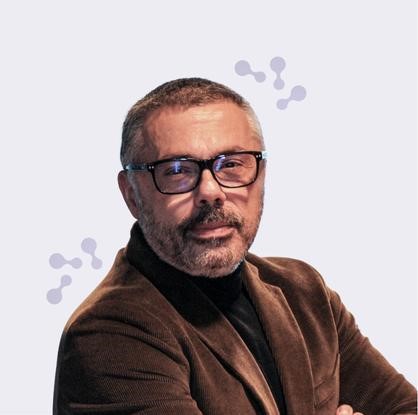 Philippe Karoyan
PhD, Founder & President, K-Pharma, and Professor at Sorbonne Université
Philippe Karoyan
PhD, Founder & President, K-Pharma, and Professor at Sorbonne Université
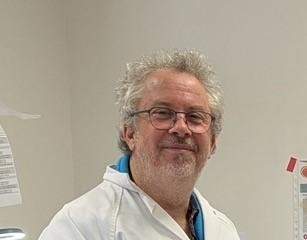 Pascal Peraldi
PhD
Pascal Peraldi
PhD
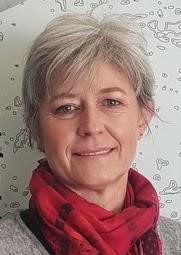 Nathalie Mazure
PhD, Research Director CNRS
Nathalie Mazure
PhD, Research Director CNRS
 Grégoire Prevost
Founder, Owner & CEO of CIPREVO
Grégoire Prevost
Founder, Owner & CEO of CIPREVO
 Maikel P. Peppelenbosch
Head of Laboratory, Department of Gastroenterology and Hepatology, Erasmus Medical Center (Rotterdam, The Netherlands)
Maikel P. Peppelenbosch
Head of Laboratory, Department of Gastroenterology and Hepatology, Erasmus Medical Center (Rotterdam, The Netherlands)
 Ruslan Mammadov
MD, PhD, Scientific researcher, Docent CGO, Lecturer, Department og Gastroenterolgoy and Hepatology, Erasmus Medical Center (Rotterdam, The Netherlands)
Ruslan Mammadov
MD, PhD, Scientific researcher, Docent CGO, Lecturer, Department og Gastroenterolgoy and Hepatology, Erasmus Medical Center (Rotterdam, The Netherlands)
Philippe Karoyan
PhD, Founder & President, K-Pharma, and Professor at Sorbonne Université
Report topic: Peptide Therapeutics: From Molecular Design to Translational Applications in Cancer
Philippe Karoyan is Professor of Medicinal Chemistry at Sorbonne University, within the Laboratoire de Chimie Physique et Chimie du Vivant (CPCV, UMR 8228 CNRS / ENS-PSL / Sorbonne University), and heads the DRUGLab (Drug Research University Group Lab), dedicated to student training in peptide chemistry and pharmacology. His research focuses on therapeutic peptides in oncology, cell death and theranostics. He is the founder and President ofK-Pharma, a French CRO providing solutions across peptide drug discovery, from design and synthesis to pharmacological and in vivo evaluation
Pascal Peraldi
PhD
Report topic: Identification of new pharmacological eIF5A inhibitors against prostate cancer using a new enzymatic assay
In 1995, Pascal Peraldi defended completed his PhD at the University of Nice, in the laboratory of Pr. Van Obbergen, where he worked on MAP kinase phosphatases and collaborated with E. H. Fischer (Nobel Prize in 1992). Pascal Peraldi then undertook his postdoctoral research in Pr. Spiegelman's lab (Harvard Medical School, Boston), where he established the molecular link between tnf-α signaling, insulin resistance and obesity. Following this, in 1997, Pascal Peraldi obtained a tenure position at INSERM in Nice, where he demonstrated the role of SOCS proteins in insulin resistance. Pascal Peraldi then joined CNRS U6543, where he uncovered the function of the Hedgehog signaling pathway and the primary cilia in the differentiation of adipose progenitor cells (APs) into adipocytes and osteoblasts. The team demonstrated that the cilium controls the differentiation of APs into adipocytes, myofibroblasts, and cancer-associated fibroblasts. Pascal Peraldi joined INSERM U1065 (C3M, Team 5) in 2022, where they study the function of the translation factor eIF5A in the development of prostate cancer. Pascal Peraldi is the author of 58 publications, and his Hirsch index is 29.
Nathalie Mazure
PhD, Research Director CNRS
Report topic: Primary Cilium Forces Neuroendocrine Shift in Prostate Cancer through YAP1 Repression and Reduced Mitochondrial Activity.
Nathalie Mazure's scientific career started at INRA, in Master, on the study of goat milk. Nathalie Mazure then turned to large-scale microbiology at the University of Technology of Compiègne (UTC) where she did her thesis. It is at Stanford University (CA-USA) that Nathalie Mazure started to explore the impact of hypoxia in tumor progression. After a short period in the start-up field, CEO Tx-Cell, Nathalie Mazure was recruited at the CNRS where she never stopped exploring the world of hypoxia. Nathalie Mazure has been working for many years on hypoxic mitochondria and more particularly on the voltage-dependent anion channel protein 1 (VDAC1) and its truncated form. VDAC1 is the major outer membrane protein of the mitochondria of all eukaryotes. Because of its membrane location, VDAC functions as a kind of Heimdall guardian of the Bïfrost controlling the entry and exit of metabolites from the cytoplasm to the mitochondria and vice versa. Although VDAC1 has not always been recognized as a valid target, it now seems to have a place as a potential therapeutic target for both cancer and other diseases. More recently, Nathalie Mazure was able to establish a link between the presence of the truncated form of VDAC1 under hypoxia and the absence of the primary cilium, a small sensory antenna involved in very important signaling pathways like Wnt. Her new challenge is to discover the link between the primary cilium and VDAC1.
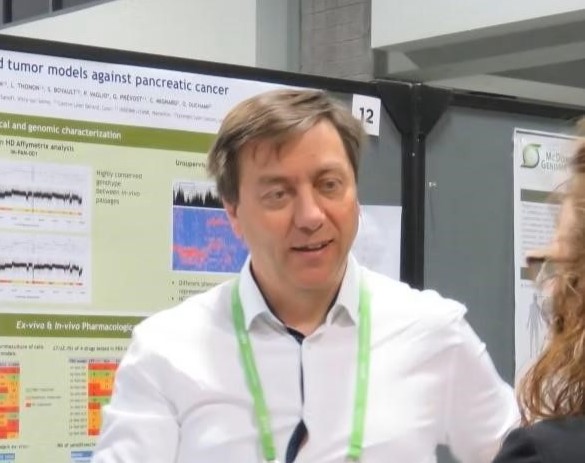
Grégoire Prevost
Founder, Owner & CEO of CIPREVO
Report topic:
Grégoire Prevost is a serial entrepreneur who currently manages 2 companies based in France with one holistic approach to speed up the life sciences research value transformation through networking development, expertise identification, and education of start-up creators. Grégoire brings more than 35 years of experience in research and development in oncology. He obtained his PhD in Molecular and cell biology in 1989 from the University of Tours (France) and his national habilitation to manage research work in 1993 from the University of Paris Sorbonne Nord. He started his postdoctoral research career at IOCMH (Bobigny, France) and BIOMEASURE (Milford, MA, USA). In 1995, he was appointed Head of research in oncology at Beaufour-IPSEN (Les Ulis, France) and held progressive positions at IPSEN, including Director of Translational Research in oncology, Director of Scientific Affairs in oncology and management team member of the oncology products portfolio. In 2011, Grégoire joined InteRNA Technologies (Utrecht, the Netherlands) as Chief Development Officer to identify and develop miRNA therapeutics. In 2016, in collaboration with his partners, Grégoire co-founded Life Sciences Leadership School to transfer knowledge from international experts to talented individuals who want to create or support life sciences companies. In 2018, Gregoire has been recognized as Ambassador of the European Association for Cancer Research. Grégoire is also the co-founder of the Sino-French School of Oncology of Wuhan (China).
Maikel P. Peppelenbosch
Head of Laboratory, Department of Gastroenterology and Hepatology, Erasmus Medical Center (Rotterdam, The Netherlands)
Report topic: Bacterial biofilms in colorectal cancer initiation and progression
Following a summer internship at Faculty of Physics at Kraków Jagiellonian University (1985) Maikel P. Peppelenbosch joined the Faculty of Medicine at Utrecht University, where he specialised in medical biology. Subsequently, Maikel P. Peppelenbosch performed a Ph.D. research at the Hubrecht Laboratory, this research Maikel pursued how receptor tyrosine kinase signalling harnesses increased production of inflammatory lipids (leukotrienes, prostaglandins) for cytoskeletal remodelling, cell migration and immune evasion. The experience gained allowed him to obtain a KWF fellowship and he went to Anne Ridley laboratory (London) and to Walter Fiers (Vlaams Instituut voor Biotechnology) where he specialised in cell biology. Based on this experience Maikel was allowed to set up my own research line at the Laboratory of Experimental Internal Medicine (AMC), where he established a highly visible group in experimental gastroenterology. Important topics of research were the role of morphogen signalling and vitamin signalling, the role of kinases in inflammation and cardiovascular disease, and the mechanism of action by anti-TNFα antibodies.
In 2004, Maikel P. Peppelenbosch became professor in Cell Biology in Groningen (the youngest full professor in The Netherlands at the time). Also tempted, however, by the possibility to take an active role in establishing the joint Bachelor programme of the Erasmus University of Rotterdam, Leiden University and the TU Delft in Clinical Technology in 2009 he moved his research group to Rotterdam. Maikel P. Peppelenbosch became head of the laboratory for Gastroenterology and Hepatology. which hosts investigators from the Departments of Gastroenterology and Hepatology, Surgery, and Internal Medicine. Currently his research focusses on the mechanisms that mediate progression towards cancer and their potential use for early detection and prevention of disease.
Ruslan Mammadov
MD, PhD, Scientific researcher, Docent CGO, Lecturer, Department og Gastroenterolgoy and Hepatology, Erasmus Medical Center (Rotterdam, The Netherlands)
Report topic: UNDERSTANDING LIVER TRANSPLANTATION OUTCOMES FOR PRIMARY SCLEROSING CHOLANGITIS: from microbiome determinants for disease to genetic risks for recurrence
Ruslan Aydinoglu Mammadov is a researcher, lecturer, and docent (CGO) specializing in liver regenerative medicine, organ transplantation, and experimental transplantation and intestinal surgery. He is currently affiliated with the Erasmus MC Transplant Institute at Erasmus University Medical Center Rotterdam, the Netherlands, where he conducts research within the Departments of Surgery and Gastroenterology and Hepatology. In addition to his research activities, he is actively involved in the education and training of medical students, serving as a lecturer and docent (CGO).
Dr. Mammadov was born in Temirtau, Kazakhstan, and began his academic and medical career in Baku, Azerbaijan, where he studied General Medicine at Azerbaijan Medical University. In 2005, he undertook specialized training in laparoscopic surgery and telemedicine and participated in the MITAC Committee program at Virginia Commonwealth University, USA, gaining experience in advanced surgical and translational medical research. He received his PhD from Kursk State Medical University in 2009.
Following his doctoral studies, Dr. Mammadov moved to Türkiye, where he spent three years as a clinical fellow at the Liver Transplant Institute of İnönü University in Malatya. This experience provided extensive clinical and research exposure in liver transplantation and contributed to his subsequent focus on transplantation-related complications and regenerative medicine.
In 2018, Dr. Mammadov was awarded an international medical research grant from the Islamic Development Bank. His current research interests include the identification of novel biomarkers for biliary complications following liver transplantation and the development of improved diagnostic and therapeutic strategies for patients with primary sclerosing cholangitis.
Since 2021, Dr. Mammadov has been working as a researcher at Erasmus University Medical Center Rotterdam, where his research focuses on liver transplantation, regenerative medicine, and translational approaches to improving patient outcomes. His scientific work has resulted in more than 20 international peer-reviewed publications. He has also contributed extensively to medical education, teaching and mentoring undergraduate medical students and supporting their development in clinical and research environments.
His professional ambition is to advance translational research in liver transplantation and regenerative medicine, identify clinically relevant biomarkers, and contribute to improved outcomes and quality of life for patients with complex hepatobiliary diseases. Through his combined roles as researcher, lecturer, and educator, he is also committed to fostering the next generation of medical professionals and clinical researchers.