News
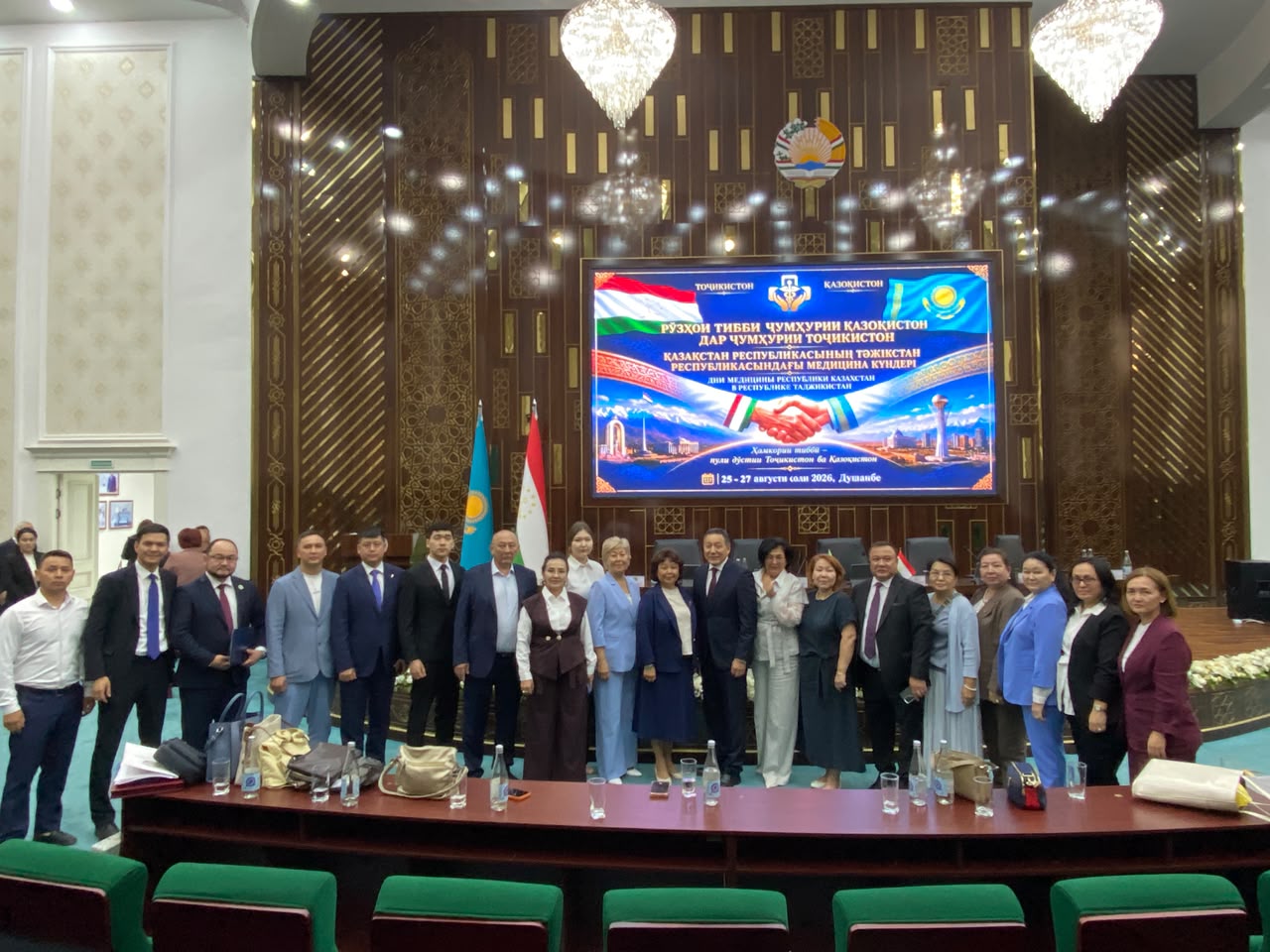
Kazakhstan's experience in simulation training was presented during the Days of Kazakhstani Medicine in Tajikistan
1 September 2026
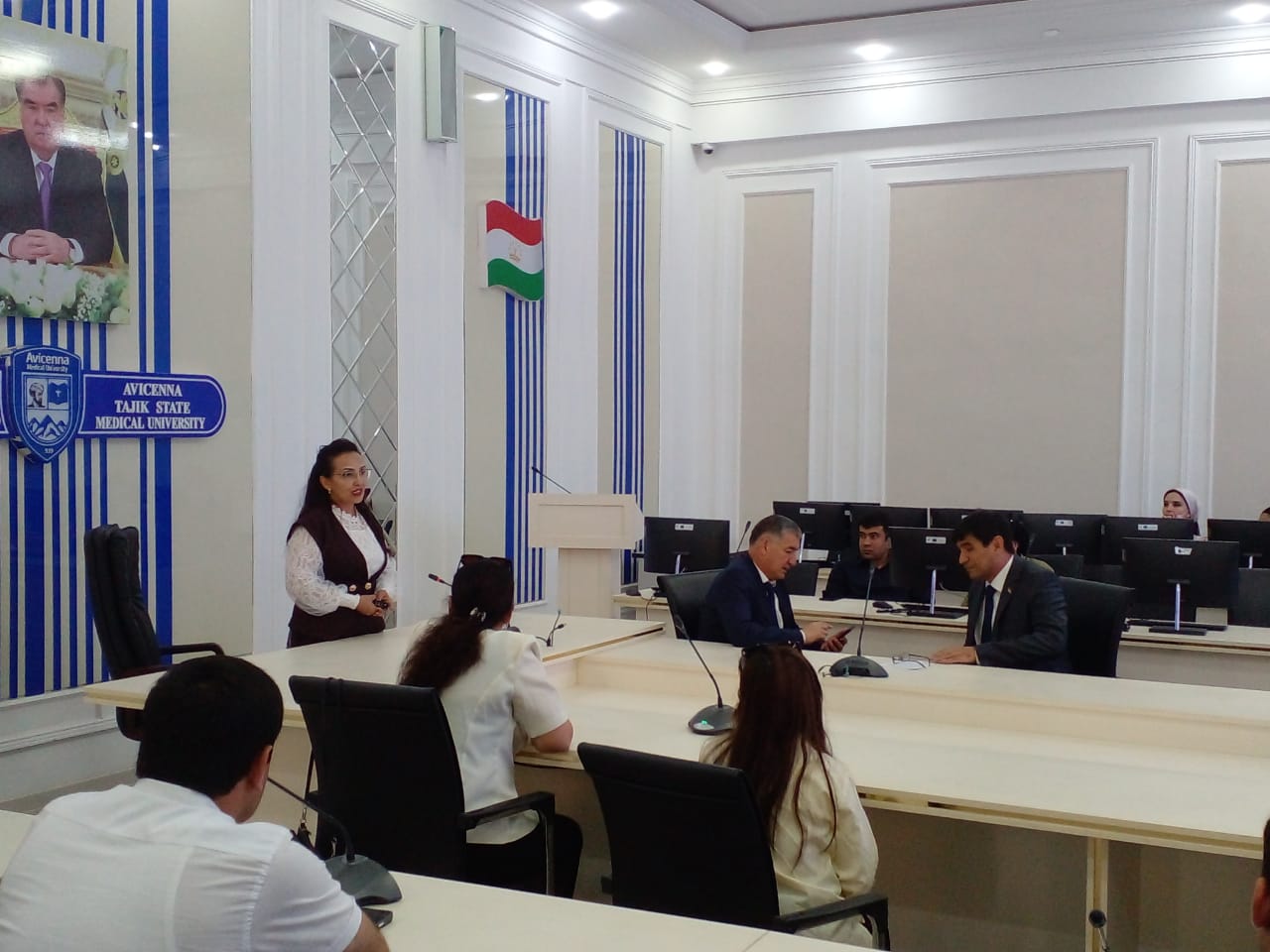
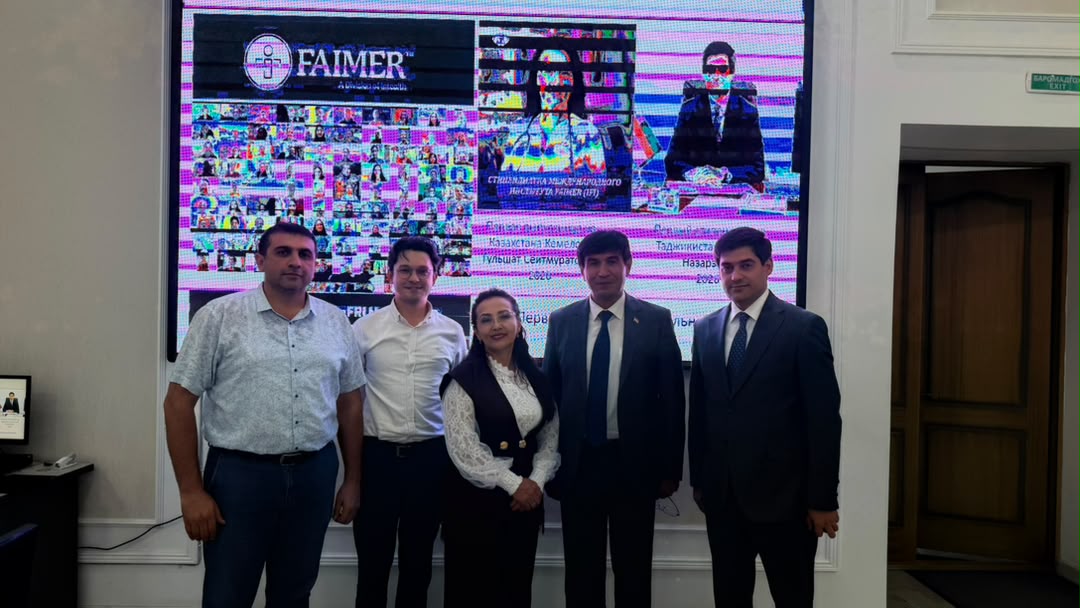
As part of the Days of Kazakhstani Medicine in Tajikistan, a master class was held on the topic of "Transformation of Medical Education: Kazakhstan's Experience in Terms of FAIMER and Simulation Training" focused on modern approaches to medical education and the role of simulation technologies in training competent and safely working medical professionals.The master class was led by Gulshat Seitmuratovna Kemelova, Director of the Center for Simulation and Educational Technologies. Faculty members from medical educational institutions, practicing physicians, specialists from simulation centers, and students participated in the event.
The main topic of the event was the changing requirements for training of doctors in the context of rapidly advancing medical technologies, the increasing complexity of clinical decisions, and increased attention to patient safety. It was noted that classical training, based primarily on lectures, observation, and practical experience directly at the patient's bedside, is no longer sufficient. A modern professional should not only have knowledge, but also to be able to confidently apply it in clinical practice, work in a team, make decisions in emergency, and be responsible for the results of medical care.
Particular attention was paid to the need to reduce the practice of "learning on the patient". The first performance of a complex or potentially dangerous medical procedure should not occur in a real clinical situation. Simulation training allows for repeated practice of technical and non-technical skills in supervised and safe educational environment, analysis of past mistakes, and achievement of the required level of readiness before working with patients.
The key idea of the master class was the phrase: "Every mistake made in a simulation center is one mistake that will not be made at the patient's bedside".
The participants were presented with the main areas for the transformation of medical education worldwide. Among them is Competency-Based Medical Education (CBME), in which student progress is determined not only by the duration of training, but also by the achievement of specific professional competencies. The concept of Entrustable Professional Activities (EPA) was also discussed, allowing to determine which clinical cases a student can perform independently and safely after confirming their readiness.
In modern educational programs, simulation is becoming a mandatory component of medical training. It is used to master clinical procedures, enhance team collaboration, prepare for rare and critical situations, develop communication skills, and impartial assessment of students' professional readiness. The master class presented Kazakhstan's experience in developing simulation training. Special attention was paid to the organization of the Objective Structured Clinical Examination (OSCE) as a tool for standardized and objective assessment of clinical competencies.
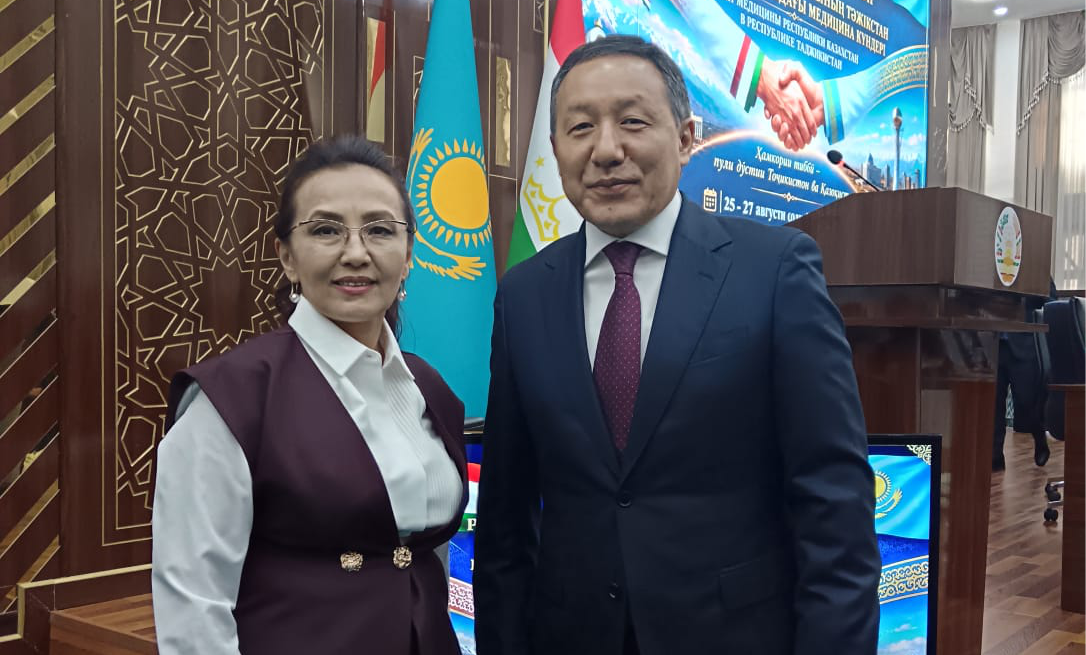
The role of "agents of change" - faculty members, physicians, program directors, and simulation center specialists - who are committed to implementing new approaches, fostering safety culture, uniting colleagues, and leading systemic changes in medical education, was also discussed. These specialists become innovation drivers and facilitate the transition from traditional knowledge transfer to training physicians capable of acting competently, independently, and safely. The international FAIMER program (Philadelphia, USA) played a particularly important role in the speaker's professional becoming and the development of the masterclass content. Participation in the program enabled the speaker to become familiar with contemporary global trends in medical education and advance knowledge in the areas of educational leadership, curriculum design, pedagogical research, and change management. FAIMER regards medical university teachers not only as holders of professional knowledge, but also as leaders capable of identifying educational challenges, developing evidence-based solutions, uniting like-minded people, and implementing sustainable change within their organization. This approach fosters the development of "agents of change"—professionals who become agents of innovation and help transform the culture of medical education. The knowledge and international professional experience acquired by G.S. Kemelova at FAIMER were adapted to the medical education environment in Kazakhstan and presented to colleagues from Tajikistan. This way, the master class served not only as a demonstration of Kazakhstan's experience, but also as an example of practical transfer of international educational approaches and the development of academic collaboration between countries.
News feed
Published:
28.09.2026
Published:
28.09.2026
Published:
16.09.2026
Published:
14.09.2026
Published:
03.09.2026
Published:
03.09.2026
Published:
01.09.2026
Published:
01.09.2026
Published:
17.07.2026
Published:
10.07.2026
Published:
10.07.2026
Published:
07.07.2026
Published:
03.07.2026
Published:
02.07.2026
Published:
30.06.2026
Published:
29.06.2026
Published:
29.06.2026
Published:
25.06.2026